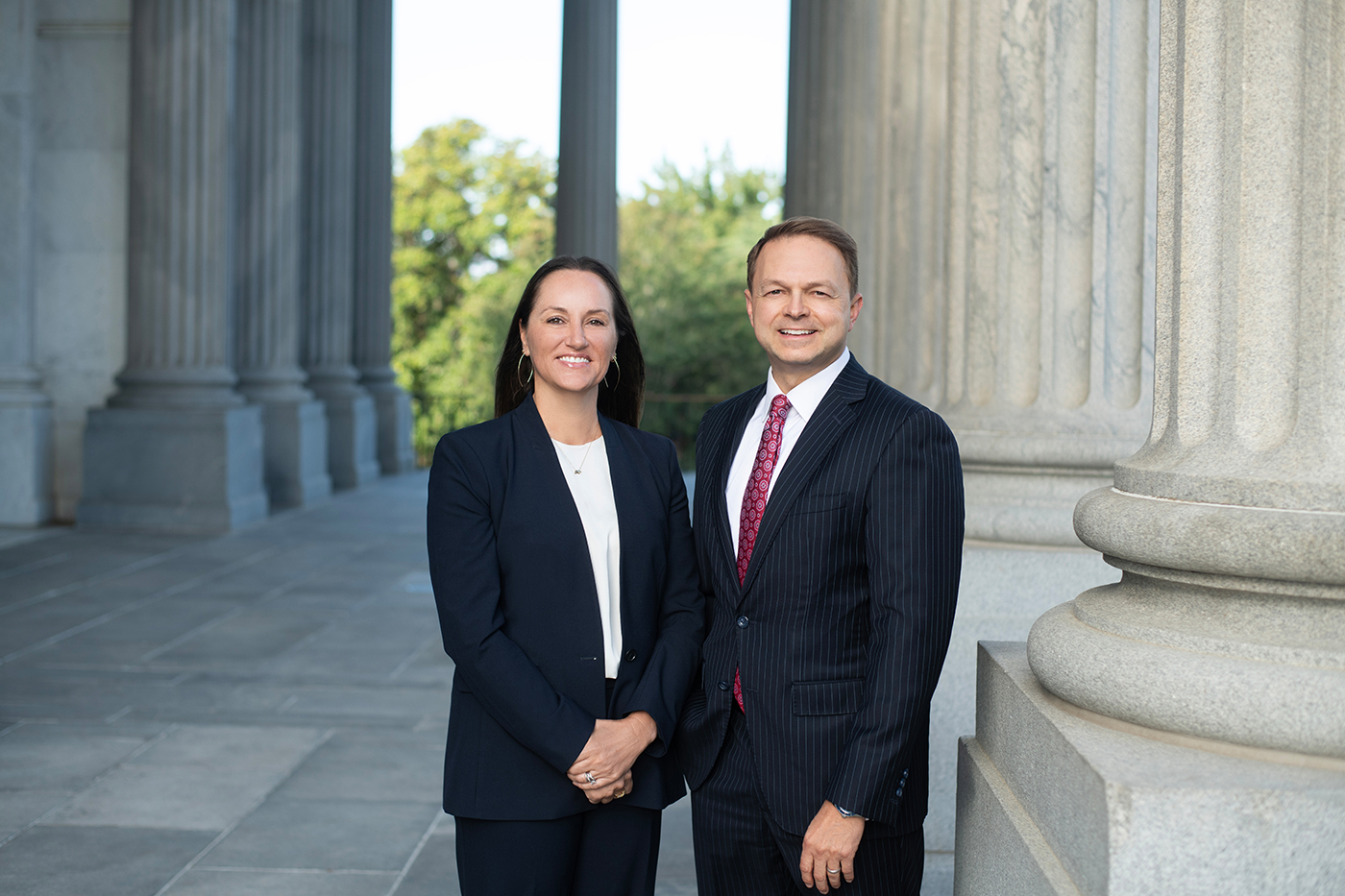
Goings Law Firm, LLC‘s Sumter workers’ compensation attorneys serve injured workers with local knowledge of the area’s distinctive economy, which is anchored by military and defense contractor operations, medical device manufacturing, and significant transportation and logistics presence.
If you were injured on the job in Sumter or Sumter County, you have the same legal rights under South Carolina workers’ compensation law as any injured worker in the state. The 90-day notice requirement, the two-year filing deadline, the authorized physician rules, and the Commission hearing process all apply in Sumter exactly as they do throughout South Carolina. But Sumter’s economy is shaped by unique employment sectors—military installations, defense contractors, specialized medical device manufacturing, and automotive tire manufacturing—that create distinctive workplace injury patterns and legal contexts. Local legal representation with knowledge of this specialized economic landscape can make a meaningful difference in the outcome of your claim.
Sumter County, home to approximately 107,000 people and located about forty-five miles southeast of Columbia, is a regional center with several major military and defense contractor employers. That economic foundation creates workforce stability but also brings specialized employment situations, federal employment issues, and distinctive injury patterns tied to military and defense work. If you’ve been injured in Sumter, understanding the local employer context and how it intersects with workers’ compensation law is essential.
The Sumter County Economic Base and Workforce
Sumter County’s economy is dominated by military and defense-related employment, with significant secondary operations in medical device manufacturing and tire production.
Shaw Air Force Base
Shaw Air Force is the dominant employer in Sumter County. Shaw directly employs thousands of active-duty military personnel, civilians in support roles, and contractors. The base operates as a military installation with distinctive federal employment rules, but civilian and contractor employees at Shaw fall under state workers’ compensation law (with some federal oversight complications).
Shaw-related employment includes:
- Active-duty military personnel (covered by federal employment systems, not state workers’ comp)
- Civilian federal employees (covered by federal employees’ compensation, different from state workers’ comp)
- Defense contractor employees (covered by state workers’ compensation, but with federal/military coordination)
- Support services and subcontractor employees (state workers’ compensation coverage varies depending on employment classification)
The intersection of military installation, federal employment, and state workers’ compensation creates potential confusion about which system applies and what remedies are available.
BD (Becton Dickinson) Medical Manufacturing
BD operates a significant manufacturing facility in Sumter, producing medical devices and related products. BD is a major private employer with thousands of workers. Manufacturing injuries at BD include equipment-related injuries, repetitive-stress conditions from assembly line work, and occasionally chemical or exposure-related conditions.
Continental Tire Manufacturing
Continental Tire Manufacturing operates a facility in the Sumter area, producing automotive tires. Tire manufacturing creates distinctive occupational injuries: heat-related injuries from the high-temperature manufacturing process, chemical and rubber dust exposure, equipment-related crush injuries, and repetitive-stress conditions. Tire manufacturing claims often involve occupational disease issues in addition to acute injury.
Sumter Regional Airport and Related Logistics Operations
Sumter is a regional transportation hub with airport operations, freight handling, and logistics businesses. Workers experience loading/unloading injuries, vehicle-related injuries, and repetitive-stress conditions related to cargo handling.
Healthcare
Sumter Regional Medical Center and other healthcare providers employ nurses, technicians, and healthcare workers experiencing back injuries, assaults, needle stick injuries, and psychological injury from critical incidents.
Retail, Hospitality, and Service Industries
A significant portion of Sumter’s workforce works in retail, restaurants, and service sectors, experiencing slip-and-fall injuries, burns, lifting injuries, and assault injuries.
Shaw Air Force Base and Defense Contractor Employment: The Federal-State Coordination Issue
Shaw Air Force Base and defense contractor employment in Sumter creates a specific legal complexity that differs from standard private-sector employment.
Who is covered by workers’ compensation at Shaw Air Force Base?
The answer depends on employment classification:
- Active-duty military: Covered by the federal military compensation system (UCMJ and military regulations), not state workers’ compensation.
- Civilian federal employees at Shaw: Covered by federal employees’ compensation under the Federal Employees’ Compensation Act (FECA), not state workers’ compensation.
- Defense contractor employees at Shaw: Generally covered by state workers’ compensation, but with potential federal oversight and contractor-specific indemnification agreements.
- Subcontractor and support services employees: Coverage depends on the specific employment relationship and contractor status.
This classification matters enormously. A federal civilian employee injured at Shaw has different remedies, different benefits structures, and different procedural requirements than a contractor employee at Shaw.
What happens when you’re injured at Shaw?
The initial injury report goes to Shaw base command or the contractor’s safety department. But the claim process must still comply with South Carolina workers’ compensation law if you’re a contractor or subcontractor employee. The state two-year filing deadline applies. The state-authorized physician rules apply.
Federal Contractor Liability and Indemnification
Defense contractors at Shaw often operate under contracts that include federal indemnification clauses. These clauses can limit your ability to sue the contractor for negligence—they’re indemnified by the federal government. Understanding whether such a clause applies, and how it affects your rights, is important.
FECA Conversion and Federal Employment Status
Some civilian employees at Shaw are federal FECA-covered. If that’s your status, your claim goes to the U.S. Department of Labor, not to the South Carolina Workers’ Compensation Commission. The procedural requirements, deadlines, and benefits are completely different.
If you work at or around Shaw Air Force Base and have been injured, determining your employment classification—are you federal, contractor, subcontractor?—is the first critical step. That classification determines which system applies and what your remedies are.
Medical Device and Tire Manufacturing: Occupational Disease Considerations
BD and Continental Tire Manufacturing create occupational disease exposure risks in addition to acute injury risks. These cases require specialized documentation and medical expertise.
Occupational Disease Claims
Manufacturing workers at BD might develop respiratory conditions from exposure to manufacturing dust or chemicals. Tire manufacturing workers might develop respiratory or dermatological conditions from chronic rubber and chemical exposure. These conditions develop over time and may not be immediately recognized as work-related.
Occupational disease claims have a different legal trigger than acute injuries. The 90-day notice requirement and the two-year filing deadline operate differently for occupational diseases. The clock starts when the worker discovers (or reasonably should have discovered) that the condition is work-related, not when the first exposure occurred.
Chronic Exposure and Latency
A worker at Continental might have been exposed to chemicals or heat for years before developing any symptoms. When symptoms do appear, they may not immediately recognize the connection to work. Getting medical documentation and legal consultation promptly—once you suspect a work connection—is critical.
Occupational Health and Medical Records
Manufacturing facilities maintain occupational health records, OSHA compliance records, and exposure documentation. These records are important to your claim. Your right to access them, and your attorney’s ability to obtain them through discovery, is important.
Specialist Medical Testimony
Occupational disease claims often require expert medical testimony about causation and exposure-disease mechanisms. Having representation that knows how to develop and present occupational medicine expertise is valuable.
Sumter County Workers’ Compensation Procedure and Deadlines
The procedural rules for Sumter County are identical statewide, with the caveat that federal employment issues may complicate the process if you work at Shaw or for a federal contractor.
- The 90-day reporting deadline: You must notify your employer of your injury within 90 days. At a military installation or defense contractor facility, injury reporting may go through formal safety or occupational health channels. Make sure your report is documented in writing.
- The two-year filing deadline: You have two years from the date of your injury to file Form 50 with the South Carolina Workers’ Compensation Commission. For occupational disease claims, the two years runs from the date you discovered (or reasonably should have discovered) that the condition is work-related.
- Medical care direction: Your employer’s carrier designates your authorized physician. In Sumter, there are numerous authorized physicians across specialties. Make sure you understand who your authorized physician is.
- Settlement and clincher agreements: Any full settlement is permanent. Before signing, understand what you’re giving up.
- Federal employment coordination: If you’re unsure whether you’re covered by state workers’ compensation or federal FECA, ask your HR department to clarify your employment status before filing a state claim. Filing a claim under the wrong system delays your recovery.
Sumter County at a Glance
Sumter County is in SCWCC District 5 (Sumter, Clarendon, and Williamsburg counties). Hearings are held in Columbia.
- Major employers: Shaw Air Force Base (and related defense contractors), BD (medical device manufacturing), Continental Tire Manufacturing, Sumter Regional Airport/logistics, healthcare, construction. Common injuries: defense contractor and military-related injuries, manufacturing equipment injuries, occupational disease (respiratory, dermatological), tire manufacturing heat and chemical exposure injuries, logistics/cargo handling injuries.
- Population: approximately 107,000.
- Distance from Goings Law Firm, LLC office: approximately 45 miles.
- Federal employment complexity: significant due to Shaw Air Force Base presence. SCWCC District 5 office: 1612 Marion Street, Columbia, SC 29201 (803-737-5723).
Shaw Air Force Base Workers: What You Need to Know
If you work at or around Shaw Air Force Base, here’s what you need to know about workers’ compensation:
- Confirm your employment status. Ask your HR department or your contract manager: Are you a federal civilian employee (FECA coverage)? Are you a contractor employee (state workers’ comp coverage)? Are you active-duty military (military compensation system)? Your answer determines everything else.
- If you’re a federal civilian (FECA): Your claim goes to the U.S. Department of Labor, not to the South Carolina Workers’ Compensation Commission. FECA has different procedures, different benefits, and different deadlines. Your initial injury report goes to your federal HR office, not to a state carrier.
- If you’re a contractor or subcontractor employee (state workers’ comp): You follow South Carolina procedures. Report the injury to your contractor’s HR or safety office. File Form 50 within two years. The state authorized physician rules apply.
- If there’s federal contractor indemnification: Some Shaw-related defense contracts include indemnification clauses that limit your ability to sue the contractor for negligence. Understanding whether such a clause applies is important for evaluating third-party claim options.
- If you’re active-duty military: You’re covered by military compensation systems and the Veteran’s Administration, not state workers’ compensation. Federal military injury claims have completely different procedures.
Common Sumter County Claim Mistakes
Beyond the standard workers’ compensation errors, Sumter-specific issues include:
- Federal employment status confusion. A Shaw employee doesn’t understand whether they’re federal FECA-covered or state workers’ comp-covered. They file under the wrong system, creating delays and confusion.
- Not reporting injuries at defense contractor facilities. Workers at defense contractors sometimes worry that filing a workers’ compensation claim might affect their security clearance or their job status. In reality, filing a claim is a legal right, and retaliation is illegal. Report the injury.
- Occupational disease claims not being recognized. A manufacturing worker develops a respiratory condition years into employment. They don’t immediately recognize it as work-related. By the time they do, they’re uncertain about whether they’re still within the filing window. Early medical documentation and legal consultation prevent this mistake.
- Accepting a settlement without understanding federal coordination. A contractor employee at Shaw receives a settlement offer and accepts it without understanding how it coordinates with other federal or military benefits that might apply.
- Not obtaining documentation from military or contractor facilities. Shaw and contractor facilities have detailed safety, medical, and exposure documentation. Getting copies of your medical records, incident reports, and exposure records is important to your claim. Request them early.
Goings Law Firm, LLC‘s Experience with Sumter County and Defense Contractor Claims
Goings Law Firm, LLC is based in Columbia and serves injured workers throughout South Carolina, including Sumter County. While we are not based in Sumter, our proximity to the county—about forty-five miles—and our experience with diverse South Carolina employers means we understand the Sumter area’s economic landscape.
- Christian E. Boesl, with fourteen years of workers’ compensation experience representing carriers before joining Goings Law Firm, LLC, understands the strategies that sophisticated employers and carriers use. He is recognized in Best Lawyers® for Workers’ Compensation Law since 2016. His experience on the defense side gives him insight into how carriers approach claims from defense contractors and military-affiliated employers.
- Kelly Morrow, who spent her entire career representing carriers and insurers before joining the firm in 2025, earned Best Lawyers® “Lawyer of the Year” in Columbia for 2024. Her experience with complex claims from sophisticated employers is valuable in the defense contractor context.
- Robert F. Goings, the firm’s founder, is recognized in Best Lawyers in America® 2026, holds a Super Lawyers Top 10 ranking in South Carolina, and was named The State’s Best “Best Law Firm” in 2024 and 2025.
When you work with Goings Law Firm, LLC on a Sumter County case, you get attorneys with experience in diverse employment contexts, including military and defense-related work.
What to Do if You’ve Been Injured in Sumter County
If you’ve been injured at work in Sumter County, follow these steps:
- Confirm your employment status. Are you a federal civilian, a contractor employee, active-duty military, or something else? This determines which system covers you.
- Report the injury to the appropriate entity within 90 days. At Shaw or a contractor facility, make sure your report goes to the right place and is documented in writing.
- Seek medical treatment through the authorized physician designated by your employer’s carrier (if you’re state workers’ comp-covered).
- File Form 50 within two years (if you’re state workers’ comp-covered). Verify that it hasn’t already been filed. The form is available at wcc.sc.gov.
- Keep records: Medical records, incident reports, carrier correspondence, anything documenting your injury and your claim.
- Talk to an attorney early. Especially if your injury involves federal employment issues, defense contractor status, or military affiliation. Early legal consultation ensures you’re following the right procedures and protecting your rights.
Call Goings Law Firm, LLC for a Free Sumter County Consultation
If you’ve been injured on the job in Sumter County—whether at Shaw Air Force Base, a defense contractor facility, a manufacturing operation, or any other workplace—Goings Law Firm, LLC can help. Call or text us at (803) 350-9230, or reach out to us online. The workers’ compensation team reviews cases at no initial cost.
If you’re unsure whether you’re covered by state workers’ compensation or federal employment systems, if your claim involves federal coordination issues, or if you need guidance navigating a complex claim from a sophisticated employer, call now. Early legal help produces better options.
We are workers’ Compensation Attorneys serving Sumter County and all of South Carolina.